Mon-T Weekly Review — w/e 20 Mar 2026
The Fed's hawkish hold detonated precious metals, the desk's crude oil pivot landed again, and eight NO CALLs watched the world burn.


There are weeks where you grade a prediction desk and feel satisfied. There are weeks where you feel sympathetic. And then there are weeks like this one, where the FOMC delivered a hawkish hold on Wednesday, gold flash-crashed 11% in two sessions, silver dropped 17%, copper shed nearly 8%, and the Strait of Hormuz remained largely closed while Iraq declared force majeure on its oil exports. If you thought the Iran war week three weeks ago was violent, this one made it look like a warm-up act.
The desk's directional accuracy was solid on paper: five of seven directional calls correct, a 71.4% hit rate that maintains the recovery trajectory from the 46.7% horror show of w/e 6 Mar. But the real story lies in the eight NO CALL markets, five of which experienced moves so large they would make a directional forecaster weep. Gold's 11.26% collapse on a NO CALL. Silver's 16.63% freefall on a NO CALL. Copper losing 7.79% on a NO CALL. Soybeans shedding 5.27%. These are not background noise. These are the kind of moves that define quarters, and the desk sat on its hands for all of them.
To be fair, the system did what its rules demanded. The FOMC meeting created binary event risk that the agents correctly identified as unforecastable. But when FinancialContent runs a headline reading 'Precious Metals Flash Crash: Gold and Silver Plummet Amid Middle East Chaos and Hawkish Fed Pivot,' and your desk issued NO CALL on both metals, the intellectual honesty of the process offers cold comfort. The desk was right about uncertainty. It just failed to be right about direction.
|
15
Markets
|
7
Directional
|
5
Correct
|
71.4%
Accuracy
|
8
No Calls
|
Seven directional calls this week, five on the right side, two wrong. The other eight markets received the NO CALL treatment. On the surface, 71.4% directional accuracy is respectable, the joint-best since the 93% outlier of w/e 27 Feb. But the average confidence of 6.1 tells you the desk was not exactly pounding the table. The highest conviction call among the directional group went to the Aussie dollar at 7/10 BULLISH, which promptly fell 0.62%. Every other directional call sat at 5 or 6 out of 10.
The confidence calibration puzzle this week is not about the directional calls. It is about the NO CALLs. When eight of your fifteen markets are abstentions, and five of those eight produce moves exceeding 2%, you have to ask whether the desk's noise threshold framework is fit for purpose during wartime FOMC weeks. The system correctly anticipated that the March 18 Fed meeting would create binary risk. It did not anticipate that the resolution would be this violent. Gold's 11.26% drop, triggered by what CNBC described as 'gold and silver crushed as Fed's hawkish hold reshapes 2026 outlook,' is the kind of move that a NO CALL cannot capture by design. The question for subscribers is whether missing a crash is better or worse than being on the wrong side of one. I know which I'd choose.
|
68/125
Correct / Total
|
54.4%
Accuracy
|
125 / 53
Directional / No Call
|
The rolling twelve-week figure sits at 54.4% across 125 directional calls, with 53 no-call abstentions. That engagement rate tells you the desk calls direction on roughly 70% of market-weeks, sitting out the rest. The rolling number remains stubbornly in the mid-fifties, weighed down by the late-December catastrophe and the w/e 6 Mar war-week meltdown. This week's 71.4% directional accuracy helps, but with only seven directional calls adding to the denominator, the needle barely moves. The desk needs several more weeks above 65% on higher directional volume to crack through the 57% ceiling that has felt permanent since March began.
|
Bias Called
BEARISH
|
Confidence
6/10
|
Result
CORRECT
|
Grade
B
|

| Monday Open | 98.71 |
| Friday Close | 98.09 |
| Move | -0.63 |
| ▼ R2 | 119.48 |
| ▼ R1 | 100 |
| ▲ S1 | 92 |
| ▲ S2 | 85 |
R1 at $100 held as resistance for the first half of the week. Oil slid 3% on Monday as Reuters reported some vessels transiting the Strait of Hormuz, pulling WTI back toward $95 and testing S1 at $92. Then came the midweek escalation: Iraq declared force majeure on its crude exports, Kuwait refineries were attacked, and Brent surged above $112 by Friday per Bloomberg. WTI tracked the chaos intraweek, briefly threatening R1 again as CNBC reported oil topping $112 in broader benchmarks, before settling at $98.09 on Friday. S1 at $92 provided genuine support during Monday's selloff. R2 at $119.48, the January spike high, was never tested but feels less theoretical than it did a week ago given the conflict escalation. The levels bracketed the Monday-to-Friday action adequately, but the intraweek volatility made the weekly candle deeply misleading.
The called edge was a geopolitical premium mean-reversion thesis: the desk argued that WTI at $98+ reflected an overextended war premium with extreme speculative positioning (351,032 net-long, highest since 2020) creating asymmetric downside as producers hedged aggressively at $100+. The MAD Divergence Score of 68, the highest of any market, signalled the desk was swimming against a bullish crowd. The mean-reversion thesis was correct on a Monday-to-Friday basis, barely, with the 0.63% decline confirming that the geopolitical premium did indeed fail to expand further. But 'correct' feels generous when the intraweek saw Iraq declare force majeure and Brent settle above $112. The desk identified the right dynamic, producer hedging versus speculative longs, but the war had other plans for most of the week before settling back near the open.
The discipline split was stark: Economic, Fundamental, Sentiment, and Options all leaned BEARISH, while Technical and Institutional leaned BULLISH. The Economic agent at 20% weight correctly flagged the IEA demand downgrade of 210 kb/d and the 1.9 mb/d structural surplus projection as medium-term headwinds. The Fundamental agent at 25% weight identified producer hedging behaviour at $100+ as the 'smart money' bearish signal, which proved to be the week's best insight. The Institutional agent at 25% weight read the 351K net-long positioning as trend-following momentum, which was the wrong interpretation. The positioning was vulnerable, not supportive. The Technical agent's BULLISH lean was overwhelmed by the fundamental and macro factors. This was ultimately a week where the Fundamental agent earned its weighting.
Crude oil's second turn as Market of the Week delivered something rare: a technically correct BEARISH call on a market that spent most of the week doing absolutely anything but going down in a straight line. WTI opened Monday at $98.71, promptly dropped 3% as Reuters reported some tankers navigating the Strait of Hormuz. Then the week turned violent. Iraq declared force majeure on its oil exports. Kuwait refineries were attacked. Brent crude settled above $112 a barrel on Friday per Bloomberg, with CNN noting oil prices remained 'well above $100' as the Strait of Hormuz stayed 'all-but-closed.' CNBC reported Goldman Sachs now expects Brent and WTI to climb to $120 per barrel over the next one to three months.
Yet WTI futures, the specific contract the desk trades, closed Friday at $98.09. Down 0.63% from Monday's open. That number hides a rollercoaster that would make a theme park engineer nervous. The intraweek swing from Monday's $95 low to the midweek surge past $100 before settling back represents nearly $10 of round-trip volatility on a contract that barely moved on a weekly basis.
The desk's thesis reversal, flipping from three consecutive BULLISH weeks to BEARISH with a signal change of -4.5 (the largest magnitude shift of any market), was the analytical centrepiece of the MOTW report. The argument centred on geopolitical premium exhaustion, structural oversupply reasserting dominance, and extreme positioning creating favourable risk-reward for mean reversion toward $70-75. On a Monday-to-Friday basis, the first part of that thesis held: the premium did not expand further. But the conflict's dramatic escalation midweek, with Iraq and Kuwait directly affected for the first time, tested the bearish conviction severely.
The free MOTW report published on the Ghost site laid out the full thesis with the producer hedging dynamic at its core. The observation that nearly 25% of AEGIS clients were actively locking in forward sales at $100+ proved to be the week's most prescient insight, as the smart money's bearish forward view was validated by Friday's settlement below the Monday open despite a week of war escalation. Goldman's revised forecast to $71 Brent for Q4 2026, implying significant decline from current levels, provides the medium-term backdrop.
A B grade reflects the reality: direction correct, but the move was minimal at 0.63%, the thesis was tested severely intraweek, and the confidence at 6/10 was appropriately measured for what turned out to be an extremely close call. The MOTW selection was vindicated by the narrative quality if not the P&L magnitude.
| Market | Bias | Conf. | Mon Open | Fri Close | Move | Result | Grade |
|---|---|---|---|---|---|---|---|
|
S&P 500
CORE
|
BEARISH | 6/10 | 6636 | 6588.5 | -0.72 | CORRECT | B+ |
| BEARISH at 6/10 and the S&P fell 0.72% to a new 2026 low at 6588.5. The fourth consecutive losing week, with the FOMC's hawkish hold on Wednesday adding fresh downside pressure. HSBC reportedly told clients that markets are now pricing in a recession. The desk's bearish thesis continues to deliver, and two consecutive correct calls build the kind of streak worth watching. | |||||||
|
Nasdaq 100
CORE
|
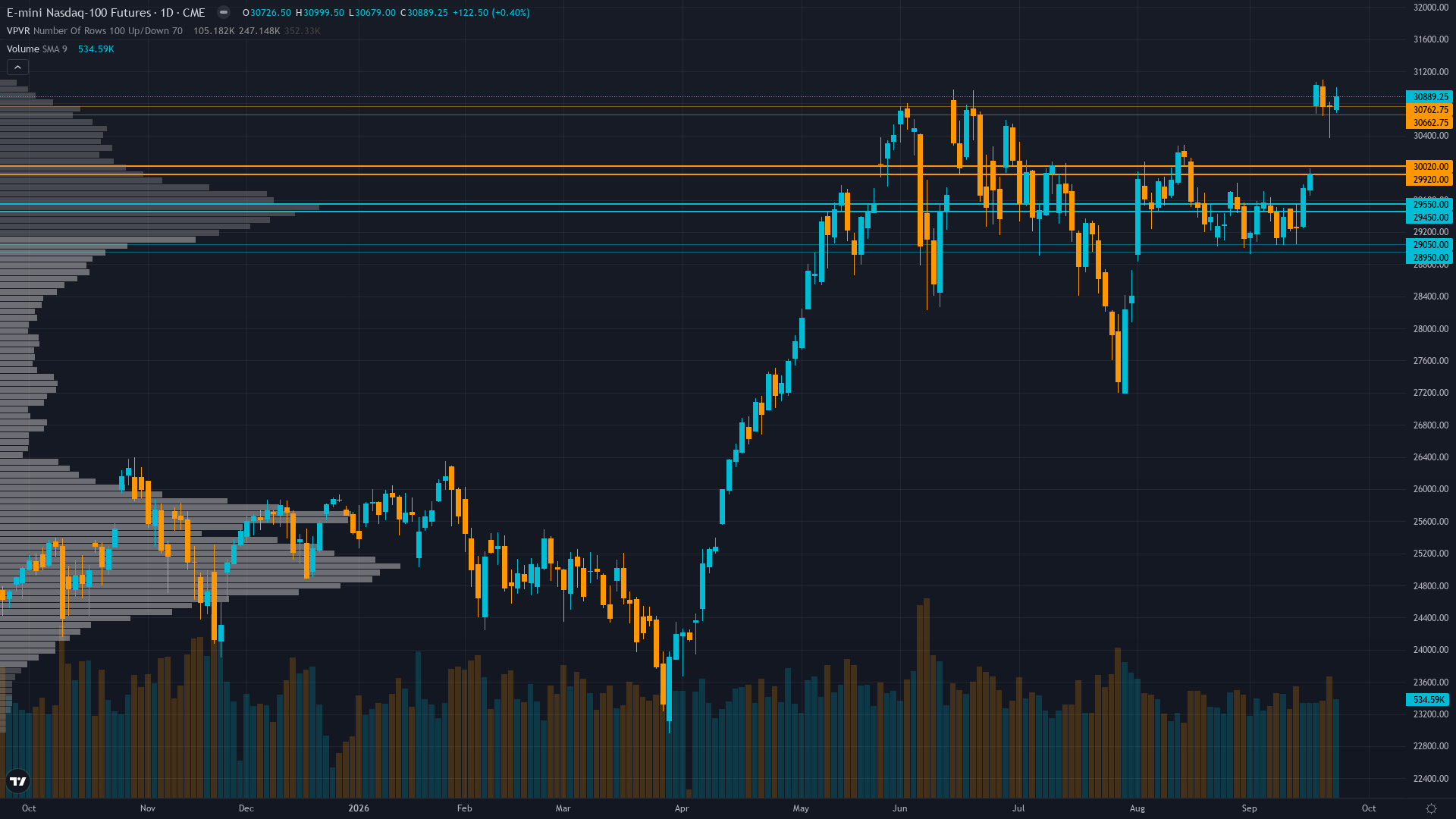
NO CALL | — | 24394.25 | 24217.25 | -0.73 | — | — |
| NO CALL at 5/10, the Nasdaq slipped 0.73%. The desk's sixth consecutive correct assessment of NQ as directionless is quietly becoming its most reliable pattern. Tech continues to consolidate while the rest of the market gets battered by oil and rates. | |||||||
|
Crude Oil
CORE
|
BEARISH | 6/10 | 98.71 | 98.09 | -0.63 | CORRECT | B |
| This week's MOTW. BEARISH at 6/10, the dramatic thesis reversal from three consecutive bullish weeks, and WTI closed down 0.63% despite an intraweek war escalation that sent Brent above $112. See the full deep-dive above. The free report is on the Ghost site. | |||||||
|
Gold
CORE
|
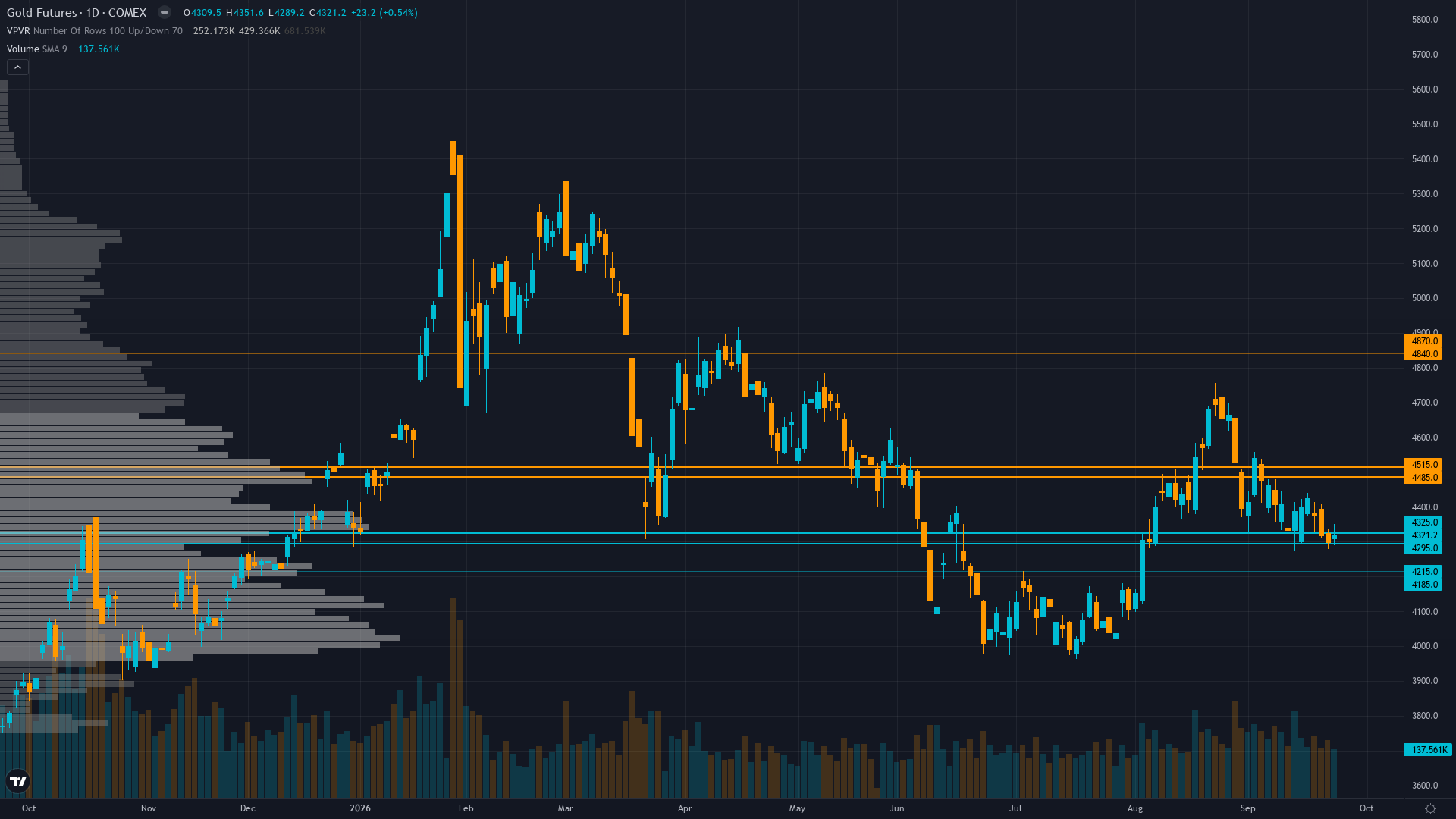
NO CALL | — | 5061.7 | 4492 | -11.26 | — | — |
| NO CALL at 5/10 on an 11.26% crash. FinancialContent reported gold sliding toward $4,657 after the Fed's 'hawkish hold,' with spot gold eventually settling near $4,492. This is the largest weekly gold move since the January 2026 wipeout. The desk identified the FOMC as binary risk and abstained. Intellectually defensible. Practically devastating for anyone who needed a view. | |||||||
|
EUR/USD
CORE
|
NO CALL | — | 1.1487 | 1.16195 | 1.15 | — | — |
| NO CALL at 5/10 as the euro surged 1.15%. A meaningful move the desk missed entirely. The FOMC's hawkish hold apparently weakened the dollar against the euro, which is an interesting contradiction given the dollar strengthened against everything else. The desk's FX abstention streak continues to look wise on most pairs but missed this one. | |||||||
|
Silver
EXTENDED
|
NO CALL | — | 81.34 | 67.81 | -16.63 | — | — |
| NO CALL at 5/10 and silver crashed 16.63%. From four consecutive weeks of MOTW glory back in February to a 17% weekly loss that the desk watched from the sidelines. FinancialContent headlined it a 'flash crash' on March 19, and the metal that was my favourite story for a month now sits at levels not seen since the January wipeout. The desk's caution was procedurally correct and practically useless. | |||||||
|
USD/JPY
EXTENDED
|
NO CALL | — | 0.006291 | 0.006327 | 0.57 | — | — |
| NO CALL at 5/10, the yen strengthened 0.57%. A modest miss that barely clears the noise floor for FX. The desk's disciplined approach to yen, which has been right more often than wrong since it stopped trying to call direction, took a small hit here. | |||||||
|
GBP/USD
EXTENDED
|
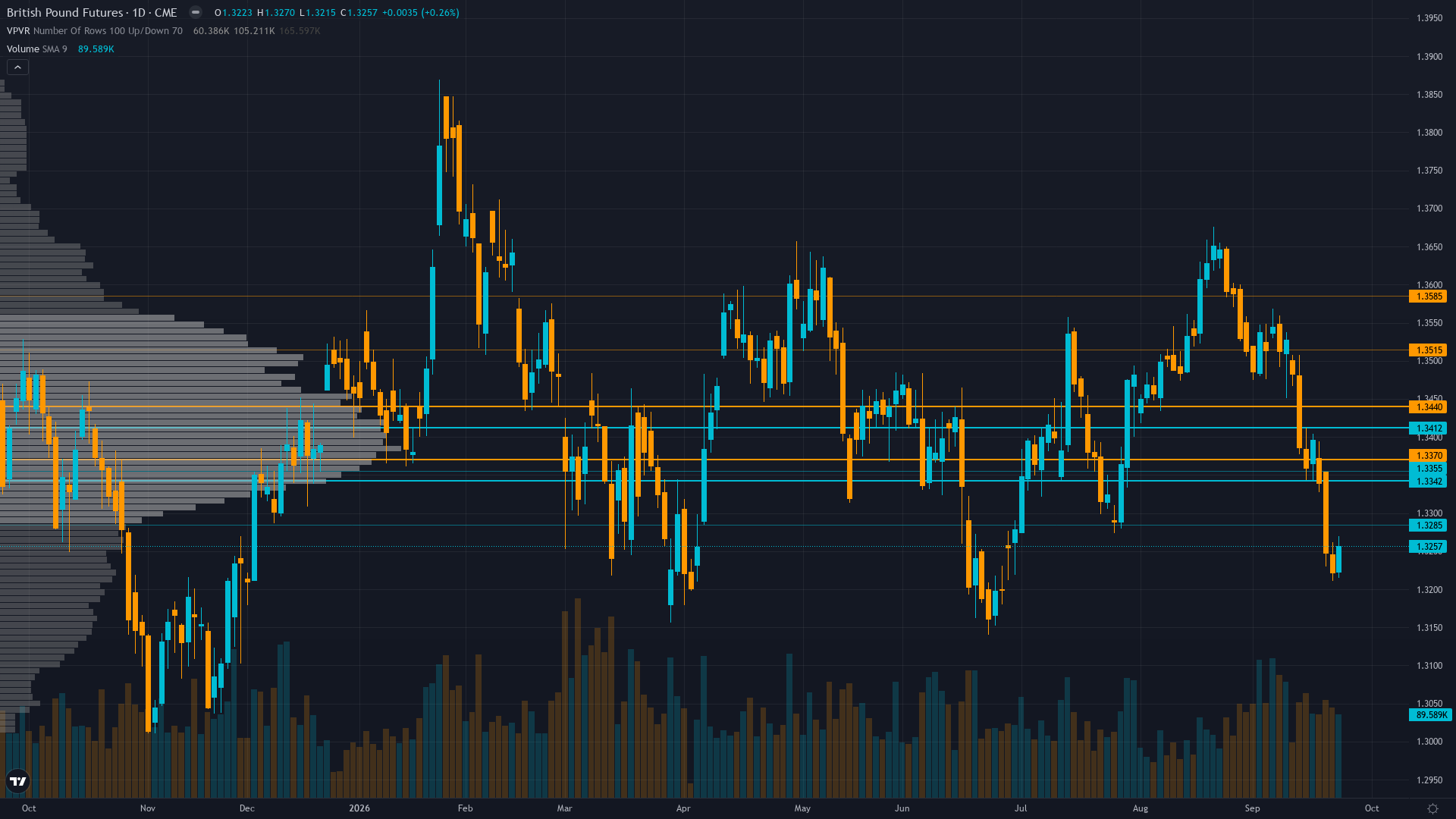
BEARISH | 5/10 | 1.3241 | 1.3338 | 0.73 | MISSED | D |
| BEARISH at 5/10 and sterling rallied 0.73%. The BoE met on March 19 with 90% market pricing for a rate cut, and whatever happened there evidently did not produce the pound weakness the desk anticipated. A low conviction miss, but a miss nonetheless. The desk's FX record remains its weakest sector. | |||||||
|
Copper
EXTENDED
|
NO CALL | — | 5.75 | 5.302 | -7.79 | — | — |
| NO CALL at 5/10 on a 7.79% collapse. After ten consecutive weeks of BULLISH calls, the desk finally stepped aside on copper, and the metal immediately produced one of the largest weekly declines since the Grasberg crisis began. The hawkish Fed, dollar strength, and China demand fears converged to overwhelm the supply deficit thesis. The ten-week bullish streak was right to end. The timing was excruciating. | |||||||
|
Russell 2000
EXTENDED
|
NO CALL | — | 2491.6 | 2467.2 | -0.98 | — | — |
| NO CALL at 5/10, the Russell dropped 0.98%. The desk correctly identified the 2450-2520 range as the battlefield and declined to call direction ahead of the FOMC. Small caps continued bleeding lower, now 10% off the January high, and the sideline seat was the right answer. | |||||||
|
AUD/USD
FULL DESK
|
BULLISH | 7/10 | 0.7061 | 0.70175 | -0.62 | MISSED | C |
| BULLISH at 7/10, the desk's highest conviction directional call, and the Aussie fell 0.62%. The RBA March 17-18 meeting was the catalyst, and the move was small enough that this rates as a mild miss in absolute terms. But at the highest conviction on the board, the calibration stings. | |||||||
|
30Y Treasury
FULL DESK
|
BEARISH | 5/10 | 114.34 | 112.625 | -1.5 | CORRECT | A |
| BEARISH at 5/10 and bonds fell 1.5 points, a significant move for Treasuries. The FOMC's hawkish hold on March 18, with seven of nineteen participants signalling no cuts in 2026, sent yields surging as CNBC confirmed the dot plot revealed a more hawkish lean than December. The desk's long-running bearish bond thesis, which survived a brief and costly bullish detour, continues to deliver. Three consecutive correct bearish calls now. | |||||||
|
Wheat
FULL DESK
|
NO CALL | — | 613.75 | 595.75 | -2.93 | — | — |
| NO CALL at 5/10, wheat fell 2.93%. After last week's F-grade BULLISH miss at 8/10, the desk retreated to neutral and watched the correction continue. The March WASDE surplus thesis keeps winning. The desk deserves credit for stepping back after the high-conviction miss, even if the move was large enough to score as another miss. | |||||||
|
Soybeans
FULL DESK
|
NO CALL | — | 1225 | 1160.5 | -5.27 | — | — |
| NO CALL at 5/10 on a 5.27% decline. After last week's correct BULLISH call, the desk downgraded to neutral on conflicting fundamental-technical signals, and beans collapsed. The March 31 Prospective Plantings report and broader risk-off dynamics appear to have overwhelmed the renewable diesel structural floor. A substantial miss by NO CALL standards. | |||||||
|
Platinum
FULL DESK
|
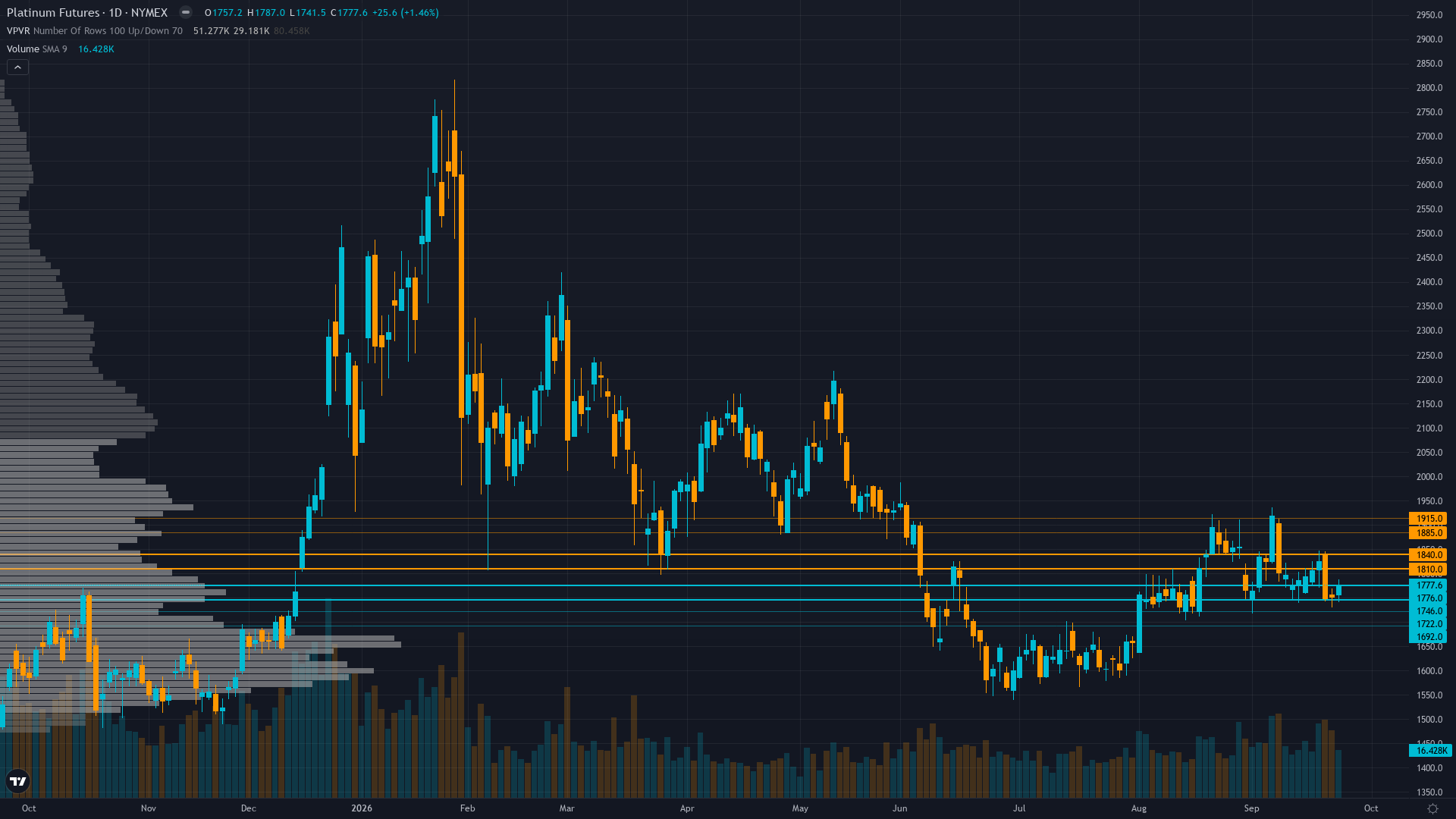
BEARISH | 5/10 | 2042 | 1920.1 | -5.97 | CORRECT | A |
| BEARISH at 5/10 and platinum fell 5.97%. The desk's 'forced tactical retreat' from its long-running bullish thesis proved well-timed as the precious metals complex disintegrated post-FOMC. The WPIC's 240,000-ounce deficit revision could not overcome the hawkish Fed and dollar strength. After months of painful bullish misses, the desk finally went with the technical breakdown and got rewarded. | |||||||
|
✦ Best Call: Platinum (PL)
BEARISH at 5/10 and platinum fell 5.97%. After weeks of painful misses on the bullish side, including a catastrophic 7.44% miss two weeks ago, the desk finally capitulated to technical reality and flipped bearish. The timing was, for once, correct. FinancialContent's 'precious metals flash crash' on March 19 following the Fed's hawkish hold took platinum from $2,042 toward $1,920 as the entire metals complex disintegrated. The desk called this a 'forced tactical retreat, not a conviction-based directional call,' and the humility of that framing actually served it well. Sometimes the best trade comes from admitting you were wrong and reversing. |
⚠️ Worst Call: AUD/USD (6A)
BULLISH at 7/10, the desk's highest conviction directional call on the board, and the Aussie fell 0.62%. The thesis was clean: the RBA meeting on March 17-18 with 78% probability of a second consecutive rate hike to 4.10% should have provided a binary upside catalyst. The move was small, so this is a mild miss in absolute terms. But at 7/10 conviction, it was the desk's biggest commitment of the week, and it went the wrong way. The RBA catalyst either did not deliver as expected or was overwhelmed by broader dollar dynamics. When your highest conviction call is wrong and your lowest conviction calls are right, that is a calibration problem worth examining. |
The Fundamental agent had its strongest week relative to the rest of the pack, correctly driving the bearish crude thesis through producer hedging analysis and supporting the bearish bond call via the $1.9 trillion fiscal deficit framework. Its commodity supply-demand work on CL, identifying the IEA demand downgrade and structural oversupply, proved to be the most useful lens. The Economic agent also performed well, with its focus on the FOMC binary risk and hawkish hold scenario proving prescient after the March 18 decision.
The weakest performer was the collective framework's inability to position for the precious metals crash. Gold fell 11.26%, silver 16.63%, and copper 7.79%, and the desk had NO CALL on all three. The agents correctly identified the FOMC as a binary risk event, but the system's response was to abstain rather than acknowledge that the hawkish scenario had meaningfully higher probability given oil at $100 and inflation fears mounting. I have been saying for weeks that the Fundamental agent needs a macro override switch for wartime conditions. The March 19 precious metals flash crash is what happens when that switch does not exist.
The wreckage from the Fed's hawkish hold and the precious metals crash will dominate early next week, with gold at $4,492 and silver at $67.81 representing generational buying opportunities or the beginning of something far worse depending on your time horizon. The BoE delivered its rate decision on March 19, the ECB met March 18-19, and the full implications of a 'no cuts in 2026' dot plot scenario are still being priced across asset classes. Oil at $112 Brent with the Strait of Hormuz effectively closed and Iraq on force majeure creates a genuine energy crisis scenario that Goldman Sachs warns could push prices to $150 in a bull case. The March 31 quarter-end is now ten days away, with window-dressing flows adding to an already volatile mix. The desk will have its Sunday views. Given the scale of this week's moves, I expect the NO CALL count to decrease as the post-FOMC clarity the agents were waiting for has now arrived. Whether that clarity produces better calls than this week's abstentions did remains to be seen.